
The common faults of high-pressure fans mainly concentrate on the following aspects: inability to start, abnormal noise and vibration during operation, abnormal temperature, and decreased pressure and flow. Let me help you sort out the specific causes and corresponding solutions.
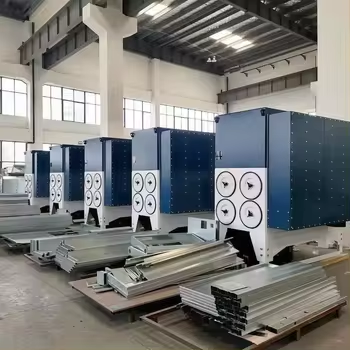
1. The fan fails to start or operate
No power supply connected: Check the power lines, switches, and fuses to see if they are normal.
Motor failure: Check if the motor wiring is loose or disconnected. Use a multimeter to test the winding resistance. If abnormal, replace the motor. Check if the capacitor (for single-phase motors) is damaged.
Fan head damaged or blocked by foreign objects: Disassemble and check if the impeller and bearings are damaged. Clean the internal debris.
Prevention: Install a filter screen at the air intake and clean it regularly.
2. Abnormal Noise and Vibration During Operation
Increased Noise: Dry lubrication of bearings: Add high-temperature resistant bearing grease (such as lithium grease).
Bearings Damaged: Replace with bearings of the same model and calibrate the installation clearance.
Impeller Wear: Replace the impeller or pump head, and adjust the clearance between the impeller and the casing (usually ≤ 0.5mm).
Loose Fasteners: Tighten all bolts and nuts. If necessary, install anti-loosening washers.
Foreign Objects in the Fan: Remove the foreign objects. If the situation is severe, replace the pump head.
Impeller Unbalance: Remove the foreign objects in the impeller or perform dynamic balance correction.
Main Shaft Deformation: Replace the main shaft or pump head.
Filter Mesh at Inlet and Outlet Ports Blocked: Clean the filter mesh.
3. Abnormal Temperature Rise
Excessive intake air temperature: Reduce the intake air temperature or improve ventilation.
Dry lubrication of bearings: Add bearing grease.
Decreased fan efficiency: Remove accumulated dust in the blade passage or replace the pump head.
Change in working condition: Adjust the working condition to avoid overload.
Increased ambient temperature: Add ventilation and cooling devices.
Malfunction of the cooling system: Check if the cooling fan and heat sink are functioning properly, and clean the accumulated dust.
Lubrication failure: Check the viscosity and quantity of the lubricating oil to ensure it meets the requirements.
Overload operation: Avoid having the fan operate continuously in high-pressure areas beyond the rated power.
4. Decrease in pressure and flow
Increase in pipe network resistance: Check if the pipes are clogged, leaking, or have too many elbows.
Change in working condition: Adjust the working condition to the rated parameters.
Reverse motor rotation: Reconnect the wiring and correct the phase sequence.
Filter screen clogged: Clean the inlet and outlet air filter screens.
5. Other Common Faults
Motor overload: The motor gets hot, emits smoke, or trips. Check if the back pressure or inlet pressure is too high, and clear any obstructions in the inlet filter and outlet pipes.
Maintenance Suggestions
Filter Protection: Install a fine filter screen at the air intake and clean it regularly.
Environmental Control: Do not operate for a long time in humid, hot or corrosive environments.
Safety Tips: Before handling any faults, make sure to cut off the power supply and lock and tag it to ensure safety. For complex faults, it is recommended to contact professional maintenance personnel.
Post time: 30-01-26


